How Often Can You Get Microneedling?
Why Your Skin Needs Time Between Treatments
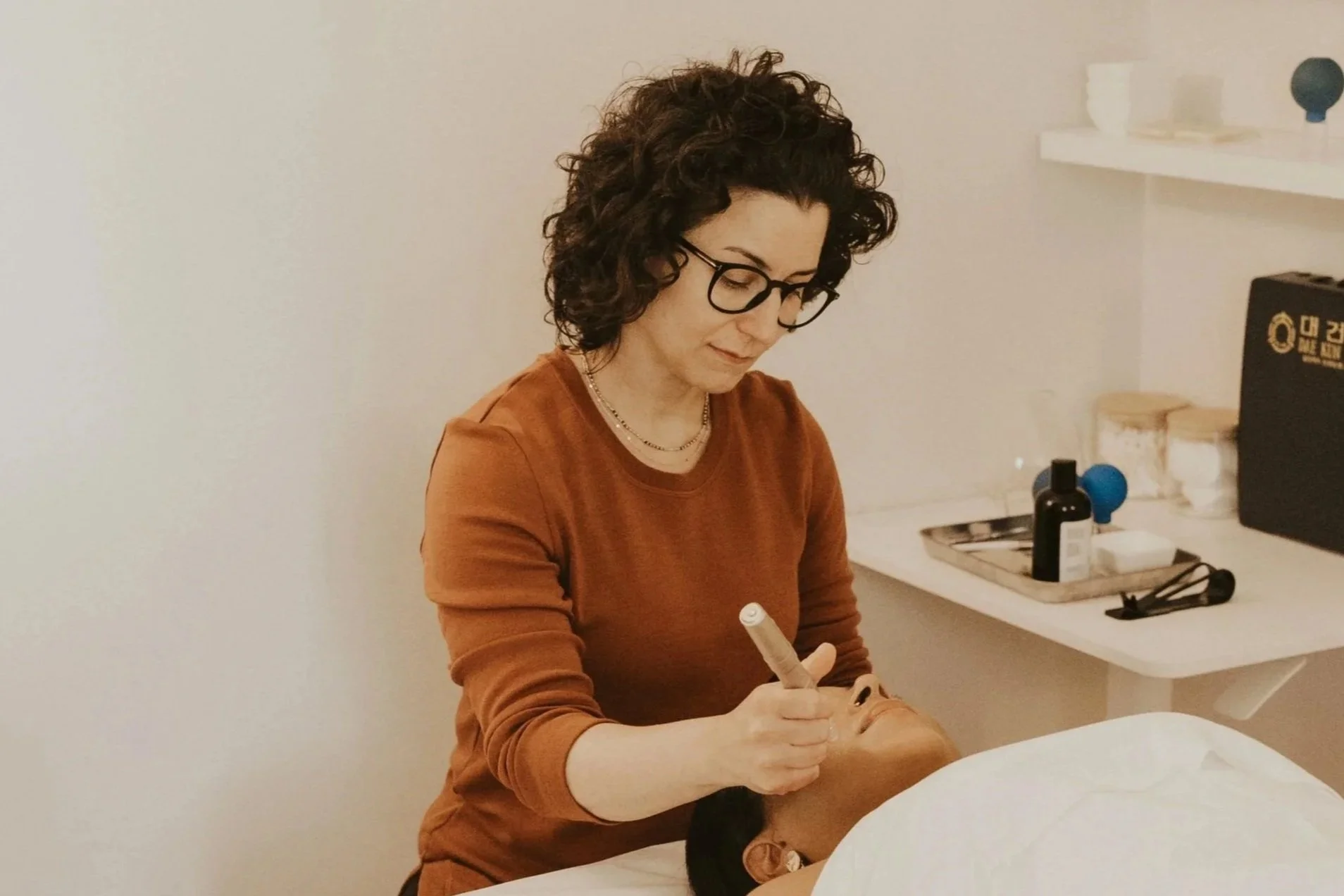
When you’re hoping for smoother skin or a more refreshed complexion, it’s understandable to want results quickly. But with microneedling, giving your skin time between sessions is an important part of the treatment.
In my practice, I typically recommend spacing facial microneedling sessions 4–6 weeks apart. Let’s talk about why that time matters—and what you can expect while your skin heals.
How does microneedling work?
Microneedling, also called collagen induction therapy, is a minimally invasive treatment that creates tiny, controlled injuries in the skin. These initiate the body’s healing response, stimulating the production of collagen and elastin—the proteins that help give skin its structure and suppleness.
Over time, this process may improve the appearance of fine lines and wrinkles, acne scars, and uneven texture. Microneedling may also help with certain types of hyperpigmentation and stretch marks, depending on the area treated and the individual’s skin.
The goal is to encourage an appropriate healing response and allow that process to unfold.
If you’d like to explore the science behind microneedling, this review published in the National Library of Medicine explains how it stimulates the skin’s healing response and summarizes research on its uses and benefits.
Why wait 4–6 weeks between treatments?
Although the surface of your skin may look calmer within a few days, changes beneath the surface take longer. Collagen production and remodeling develop gradually over weeks and months.
The 4–6-week interval I generally recommend gives us time to allow recovery and assess your skin’s response before treating again. The appropriate interval depends on treatment depth, your skin concerns, and how you heal; it isn’t a universal rule for every microneedling procedure.
Treating too frequently can irritate the skin, creating more inflammation. More frequent sessions don’t necessarily mean better results.
Supporting your skin and your whole body during treatment
In my practice, microneedling includes full-body acupuncture, with the option to add red light therapy. These are part of my holistic approach to caring for your complexion and your overall well-being.
Full-body acupuncture is tailored to your individual needs. We’ll consider what else you’re experiencing, such as sleep difficulties, stress, or digestive concerns, and incorporate those into your treatment plan. Your appointment also gives you time to lie down, settle in, and rest.
Red light therapy, when included, comes first in the session. It uses specific wavelengths of light and has been studied for benefits such as improvements in skin texture and fine lines. We’ll discuss whether it’s an appropriate addition for your skin.
These treatments are part of an individualized approach that considers your skin concerns alongside what’s going on with your whole body.
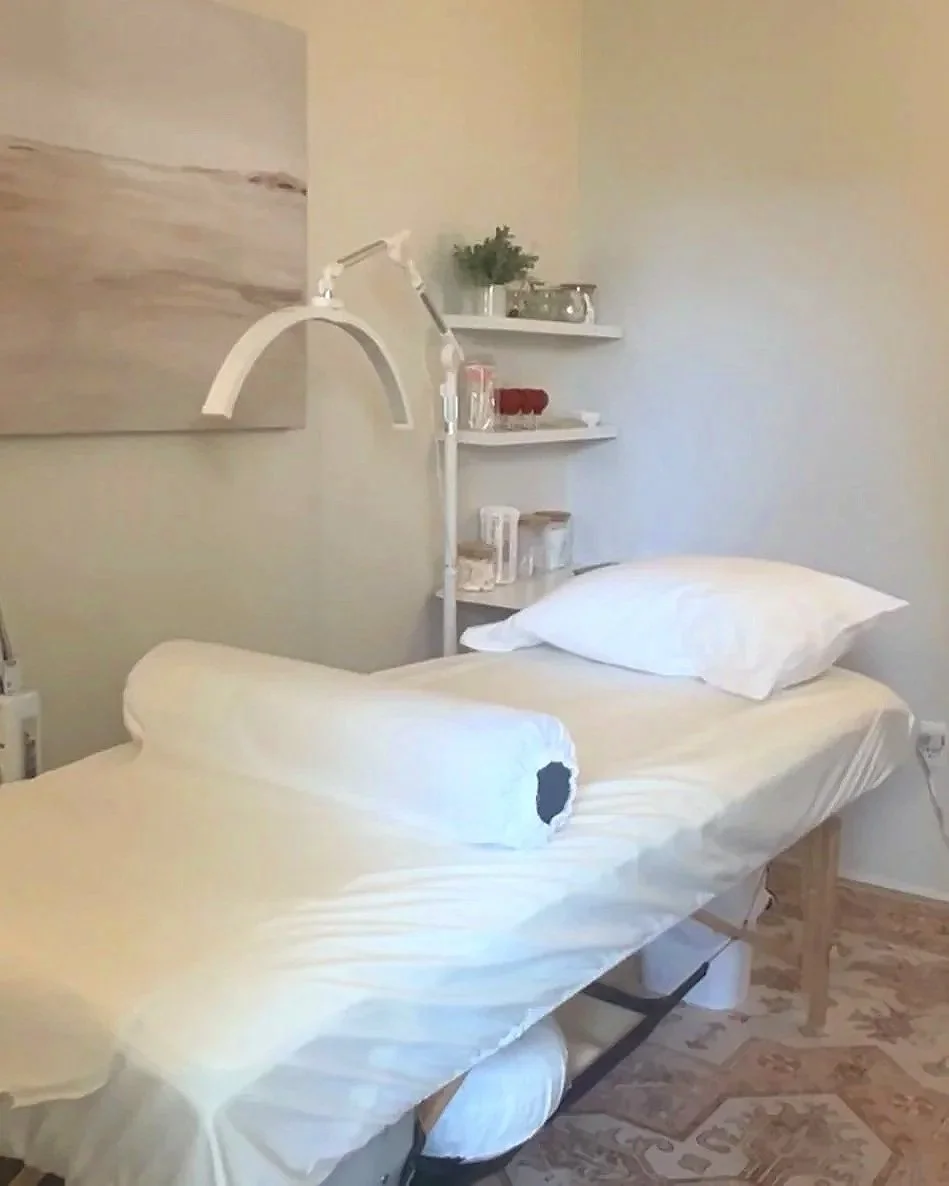
What might your skin look and feel like afterward?
Immediately after treatment, your skin may look flushed and feel warm, tight, or mildly sensitive—similar to a mild sunburn. You may also notice a small amount of pinpoint bleeding in certain areas during treatment.
The warmth, tightness, sensitivity, and redness typically lessen within the first 24–48 hours, though sometimes the skin needs a little longer. You may also notice some dryness or light flaking as your skin heals. These can be normal parts of the healing process, and everyone’s recovery is a little different.
You may notice a more radiant complexion after one or two sessions, but that early glow doesn’t mean the collagen-building process is complete. Improvements develop gradually, and more noticeable changes in skin texture, pigmentation, and wrinkles may take several months. That’s why a series of treatments is often recommended to support these changes over time.
Is there downtime?
I usually recommend going home after your appointment and taking it easy for the rest of the day. It’s a good opportunity to give yourself a quieter afternoon while your skin begins recovering.
Most people return to regular daily activities the next day, although their skin may still look a bit pink or feel sensitive. If you have an important event coming up, allow some recovery time rather than scheduling treatment immediately beforehand.
In my practice, I recommend avoiding the following for the first 48 hours, or longer if your skin remains irritated:
Strenuous exercise and activities that cause sweating.
Saunas, steam rooms, and excessive heat.
Makeup on the treated area.
Follow your individual aftercare instructions for when to resume these activities.
Why skincare matters after microneedling

Giving your skin time to recover also means being thoughtful about what you put on it.
Our skin acts as a protective barrier. Microneedling temporarily creates tiny channels in that barrier, which can increase the penetration of certain topical products. This makes the serums and skincare products used during and after treatment especially important. A product that works well in your everyday routine may not be appropriate for freshly treated skin.
During recovery, the priority is to keep skincare gentle, maintain hydration, and support the skin’s barrier as it heals. Hyaluronic acid is one ingredient that can help attract and retain moisture, supporting a hydrated, more supple appearance. The complete formulation matters, however—not just the presence of one beneficial ingredient.
How can you support your recovery?
Along with gentle skincare, a few simple habits can help you care for yourself while your skin heals.
Stay hydrated.
Drink plenty of water throughout the day to support your body’s healing process.
Include nutrient-rich foods.
Try to include a variety of vegetables, fruits, proteins, whole grains, and healthy fats. These provide nutrients your body uses for normal repair and everyday health. For more on the connection between nourishment and your complexion, check out my blog, What Does Digestion Have to Do with Your Skin?.
Be mindful of added sugar.
Excessive added-sugar consumption may contribute to inflammation in the body. Try to limit sugary drinks and sweets, and focus on nourishing, balanced meals.
Let your skin rest for the day.
After your treatment, I generally recommend leaving your skin alone for the rest of the day. There’s no need to wash your face or apply additional skincare products that evening unless your individual aftercare instructions say otherwise.
Resume gentle skincare the next morning.
If your skin is recovering as expected and your aftercare plan allows, gently wash your face with a mild cleanser. Follow with the gentle, nourishing skincare products recommended for your recovery, then broad-spectrum SPF 30 or higher.
Avoid scrubs, exfoliating acids, retinoids, and other potentially irritating products until you’re advised to restart them. Resist picking or peeling any flaking skin.
Sun protection is another important part of recovery. Protect your skin from direct sun throughout healing—not just for the first two days. Use shade and a hat, and follow your aftercare instructions about when to begin applying sunscreen.
Giving your skin the time it needs
I want you to feel informed and comfortable with both your treatment and your recovery. We’ll create a plan based on your skin concerns, health history, and how your skin responds, while allowing your skin time to recover between treatments.
If you’re curious about microneedling, book a New Patient Consultation and Assessment. We’ll talk about your goals, review whether treatment is appropriate for you, and create an individualized plan to support your complexion and overall well-being.