Why Perimenopause Can Make You Irritable
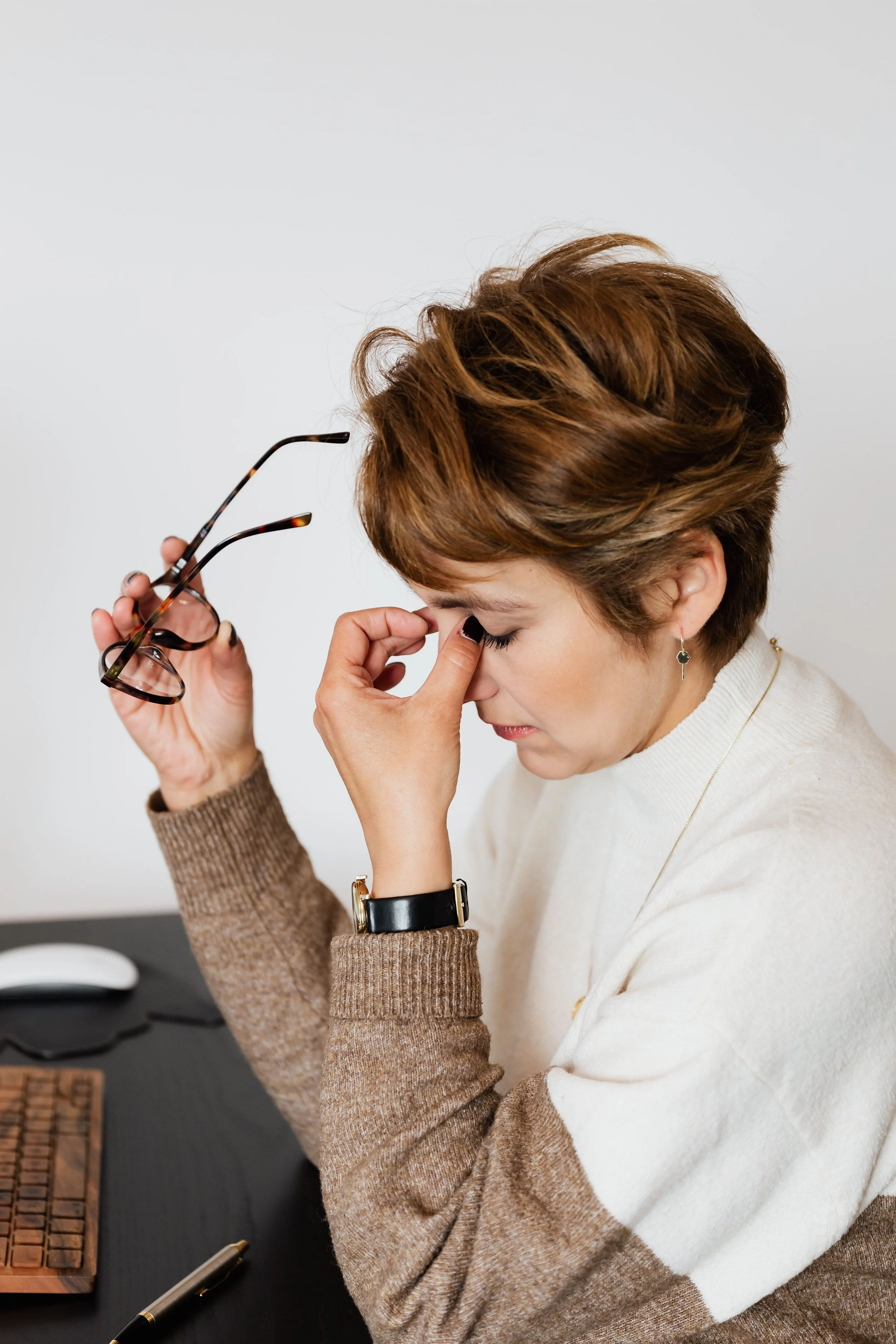
Let’s talk about perimenopause.
You haven’t been feeling like your usual, easygoing self lately.
Everything seems to be getting on your nerves. You feel angry, sometimes without even knowing why. Small things can push you over the edge, and recovering after a stressful event seems to take much longer than it used to.
You may be wondering:
Why am I reacting this way?
Why can’t I handle things the way I used to?
Is this just who I am now?
Although perimenopause probably isn’t creating more stress in your life, it may be changing your capacity to handle the stress that is already there.
Why your capacity for stress may change
Perimenopause is often discussed in terms of hot flashes and irregular periods, but hormonal fluctuations can also affect your mood and your ability to regulate emotions.
You may notice that your emotions feel closer to the surface. Your patience may be shorter. You may feel more anxious, sensitive, or reactive than usual.
But there are probably multiple factors contributing. Hormones are rarely the only thing happening.
Disrupted sleep can leave you depleted
Sleep can become an issue during perimenopause. You may have trouble falling asleep, wake during the night, or find yourself wide awake at 3:00 a.m. and unable to quiet your mind.
Night sweats and hot flashes can disrupt your sleep, leaving you tired, foggy, and more easily irritated the next day.
When this is happening regularly, your body doesn’t have enough time to fully recover. You begin the day with insufficient resources, yet your to-do list is still a mile long.
Life is still asking a lot of you
For many women, everyday life is very full—work, errands, grocery shopping, making dinner, managing family schedules, and sometimes caring for children or aging parents.
There may also be relationship changes, financial concerns, health issues, and a million decisions to make.
You may be showing up for everyone else while running on empty yourself.
Add constant stimulation and very little restorative downtime, and it makes sense that your nervous system may feel more on edge.
This is not the new you
Irritability is information—not a sign that you’re failing or need to try harder.
It may be your body’s way of asking for support. When your resources are already low, continuing to push can leave you feeling even more overwhelmed.
This is a great time to get curious about what is contributing to the way you feel.
How have you been sleeping?
Are you eating regularly?
Are you constantly rushing?
When was the last time you had an opportunity to rest in a way that actually felt replenishing?
Your body may need some more support.

In East Asian Medicine, the body is viewed as an interconnected system. We don’t look at irritability as an isolated symptom.
We look at the whole person and how the body is functioning overall.
That includes:
Sleep patterns and habits
Menstrual changes
Hot flashes and night sweats
Whether you tend to feel hot or cold
Digestion and appetite
Hydration
Energy levels
Stress and your capacity to manage it
Bowel regularity
Headaches or migraines
Physical tension
Not every person who comes in with irritability receives the same treatment.
The same symptom can have very different underlying patterns.
Individualized care matters.

Small ways to support your body
You don’t need to overhaul your entire life overnight. Small, consistent changes can help more than you think.
These suggestions may seem almost too simple, but consistently giving your body the basic resources it needs can help it feel supported, safe, and better able to recover.
Ask for what you need
When you feel agitated, pause and ask yourself, What do I need right now?
Maybe it’s some quiet, uninterrupted time when you don’t have to be “on,” talk to anyone, or respond to someone else’s needs.
If you need something from the people around you, try making a clear request.
If you’re not sure what you need, begin by noticing when your irritability starts to rise. This can offer a clue about where to begin.
Create a gentle bedtime routine
Try giving yourself time to transition out of the day rather than going directly from stimulation to sleep.
You might:
Discontinue screen time before bed
Read, stretch, or listen to a guided meditation
Keep your bedroom cool and comfortable
Dim the lights and give your nervous system cues that the day is ending
The goal isn’t to create a perfect routine. It’s to make bedtime feel less abrupt.
Support your basic needs
Going through the day on coffee, very little food, and not enough water can leave you feeling depleted, foggy, and more reactive.
Try to eat nourishing meals at regular intervals and keep water nearby to sip throughout the day.
These basic needs are easy to overlook when life gets busy, but your body still needs consistent fuel and hydration.
Move and get outside
Movement doesn’t have to be intense or punitive. Take a walk, stretch areas that feel tense, or incorporate strength training in a way that feels appropriate for your body.
Whenever possible, spend some of that time outside. Even a short walk or a few quiet minutes in the fresh air can help release tension and create a needed pause in your day.
Pause and breathe
Take a few moments throughout the day to pause and take several full, unhurried breaths.
It sounds simple, but many of us move through the day without noticing how shallow our breathing has become.
How acupuncture may offer support
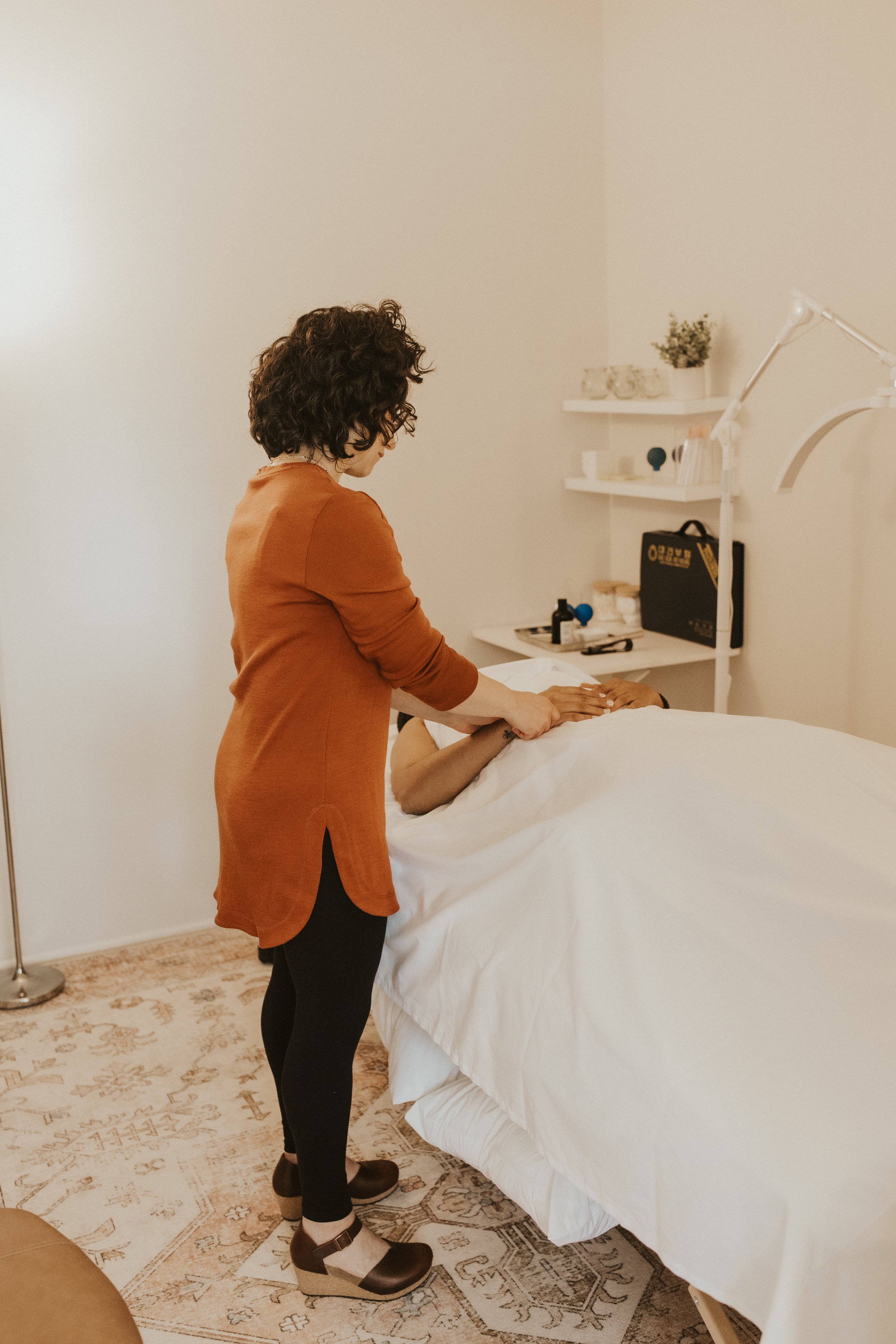
Acupuncture and herbal medicine may offer support during perimenopause by looking beyond irritability alone. Treatment considers other factors that may be contributing, such as disrupted sleep, hot flashes, anxiety, headaches, physical tension, digestive changes, and ongoing depletion.
Care is individualized to your health history, symptoms, and how your body is functioning as a whole. As sleep, energy, and nervous system regulation improve, everyday stress may begin to feel more manageable.
You don’t have to figure it out alone
f you’ve been feeling more irritable, anxious, overwhelmed, or simply unlike yourself lately, your body may be asking for more rest, nourishment, and support as it moves through this transition.
It may not be that you need to try harder. Small changes can make a meaningful difference, and you don’t have to figure everything out on your own.
If you’d like to explore whether acupuncture could be part of your support, you can book a New Patient Consultation below.
Disclaimer: The information shared in this blog is for educational and informational purposes only and is not intended to be a substitute for medical advice, diagnosis, or treatment. Always consult with a qualified healthcare provider regarding your individual health needs before making changes to your healthcare routine.